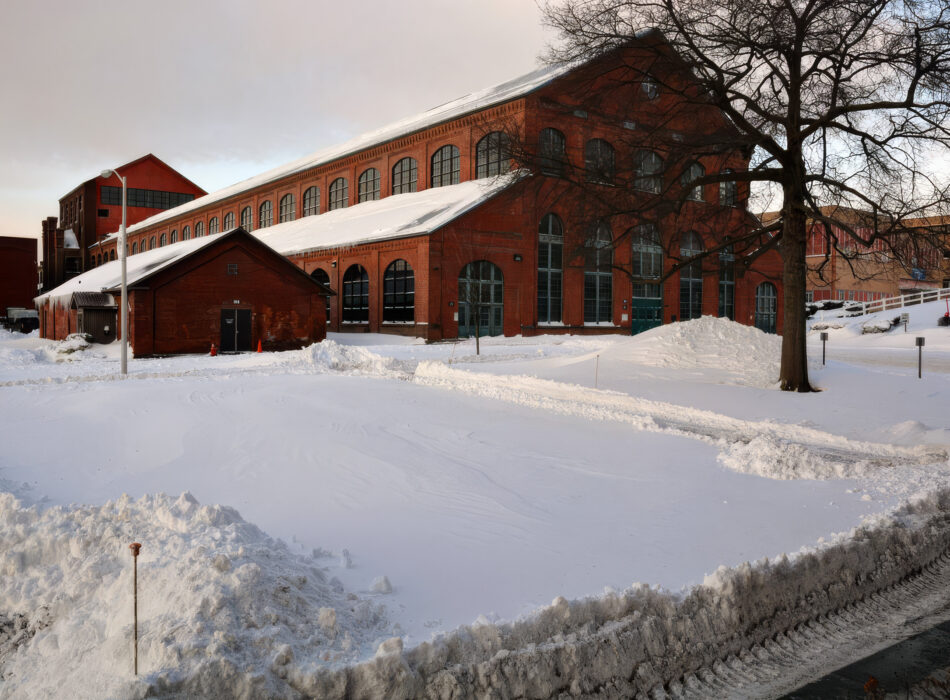
Watervliet Arsenal has manufactured large-caliber cannon barrels since 1813, through every major American conflict, for U.S. forces and allied nations alike. It’s the only facility of its kind in the country, and when global demand for artillery surged following the outbreak of the war in Ukraine, the Arsenal was already running at heightened capacity. Modernizing the heat treat furnace — one of the most critical steps in cannon barrel production — couldn’t wait, and construction couldn’t disrupt operations.
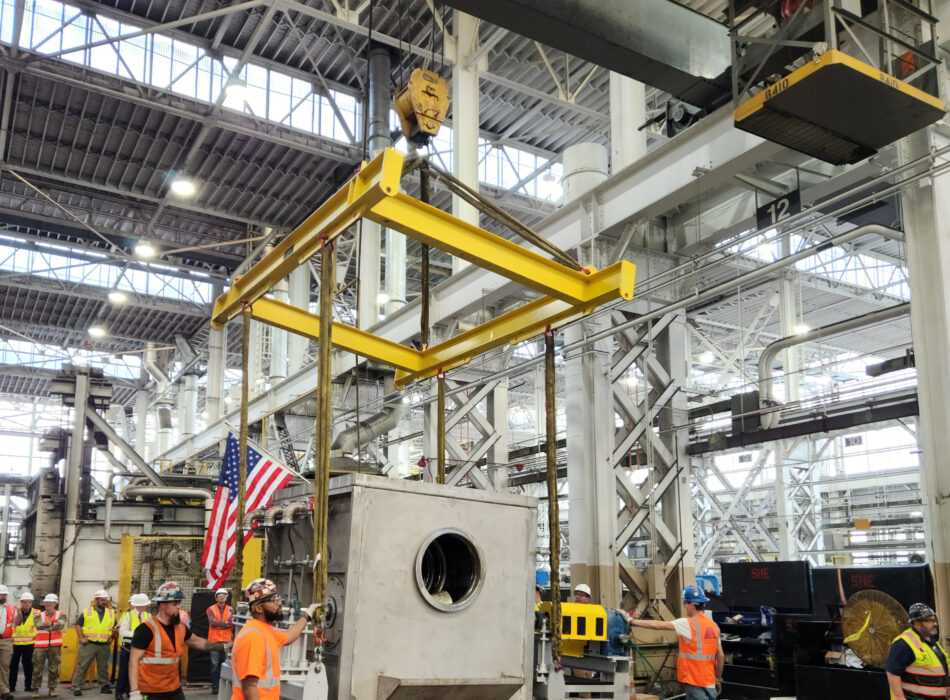
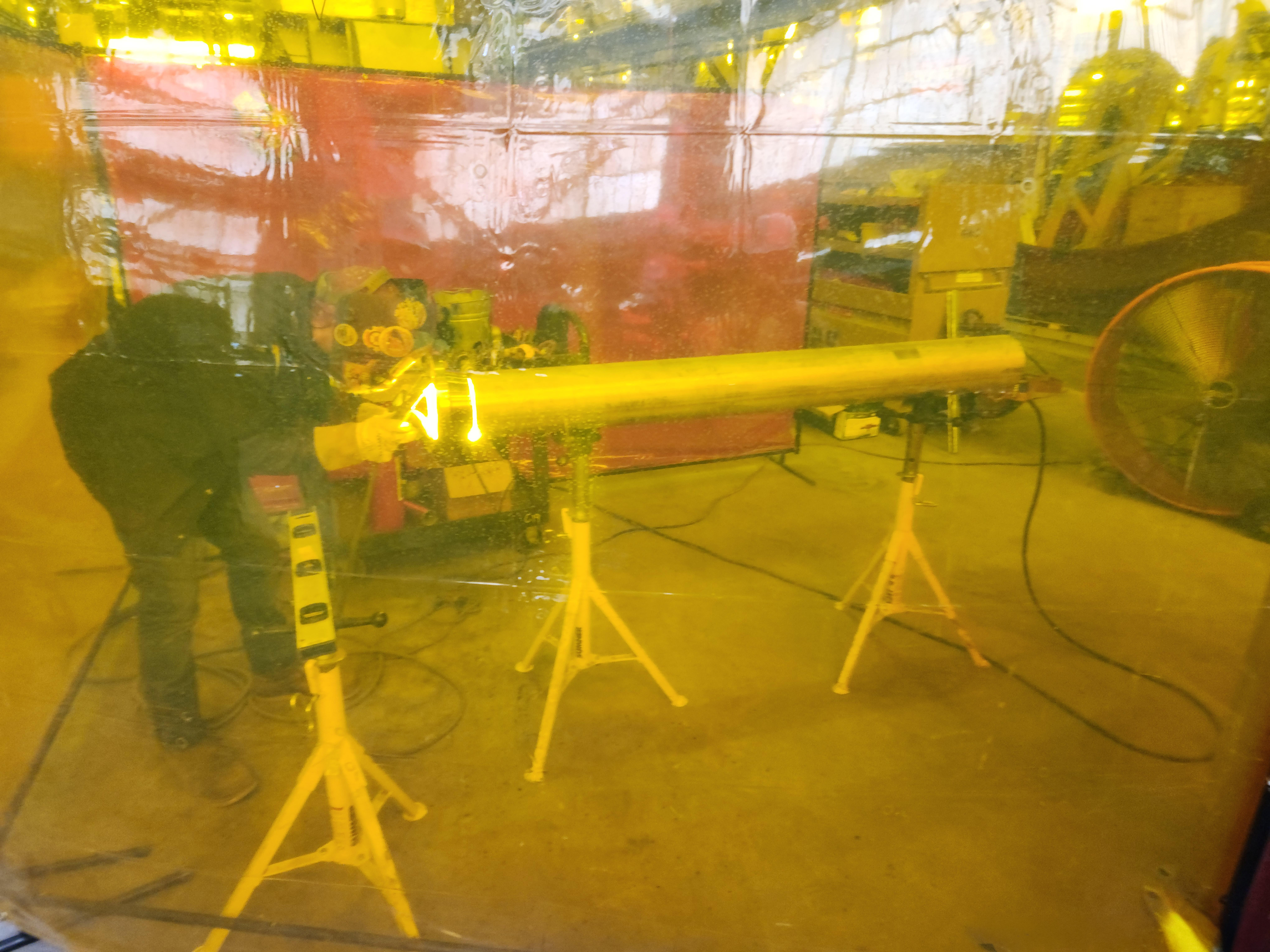
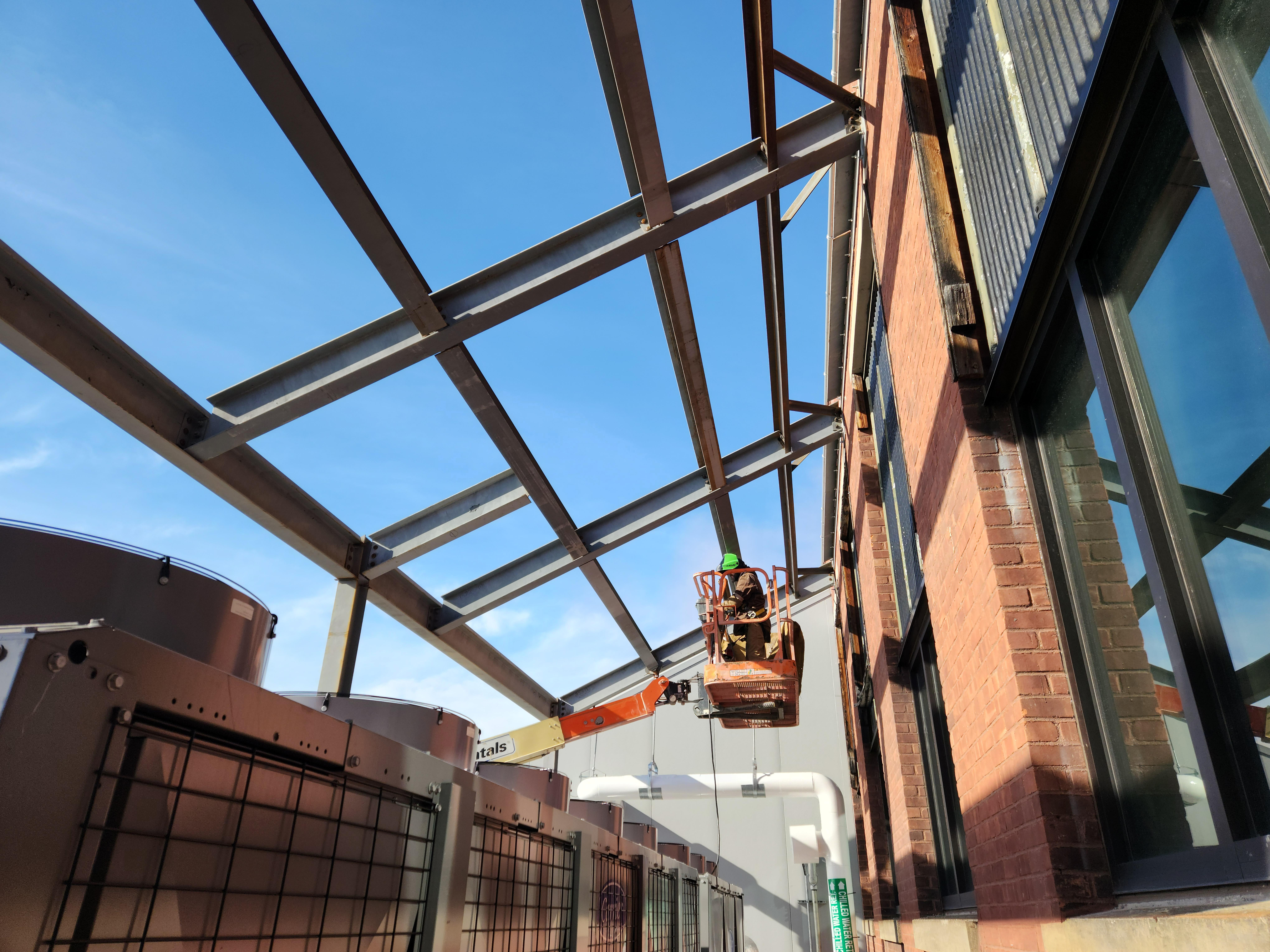
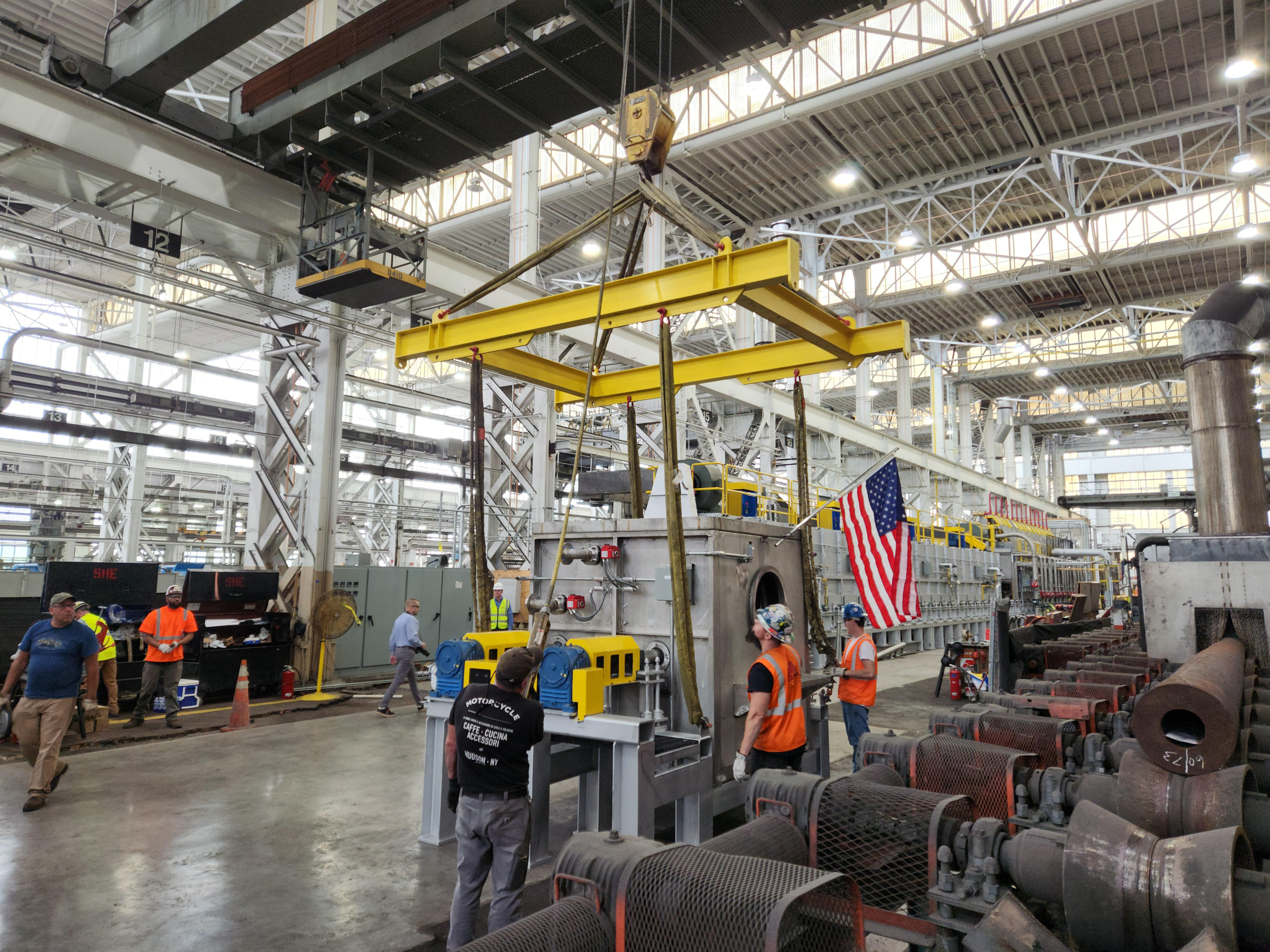
Kokolakis delivered the turnkey design-build replacement of the existing SELAS Gun Tube Heat Treat Furnace while the Arsenal stayed in production around it. The scope included full decommissioning and removal of the existing system, asbestos abatement and lead remediation, demolition and reconstruction of the concrete slab and furnace foundations, construction of a new quench pit, and complete MEP upgrades. All culminated in the installation of a modern in-line furnace system engineered to process nine gun barrels per 24-hour cycle with capacity to scale production by at least 20 percent. The system incorporates AMS 2750-compliant temperature uniformity controls, an integrated spray quench system, dual-fuel combustion capability, and advanced process controls built for long-term reliability. Adjacent furnaces, overhead crane systems, machining equipment, and barrel transport routes remained operational throughout construction.
The Northern NY Area Engineer noted strong performance on the project from the Kokolakis’ project management team, superintendent, quality control program, and design partners.