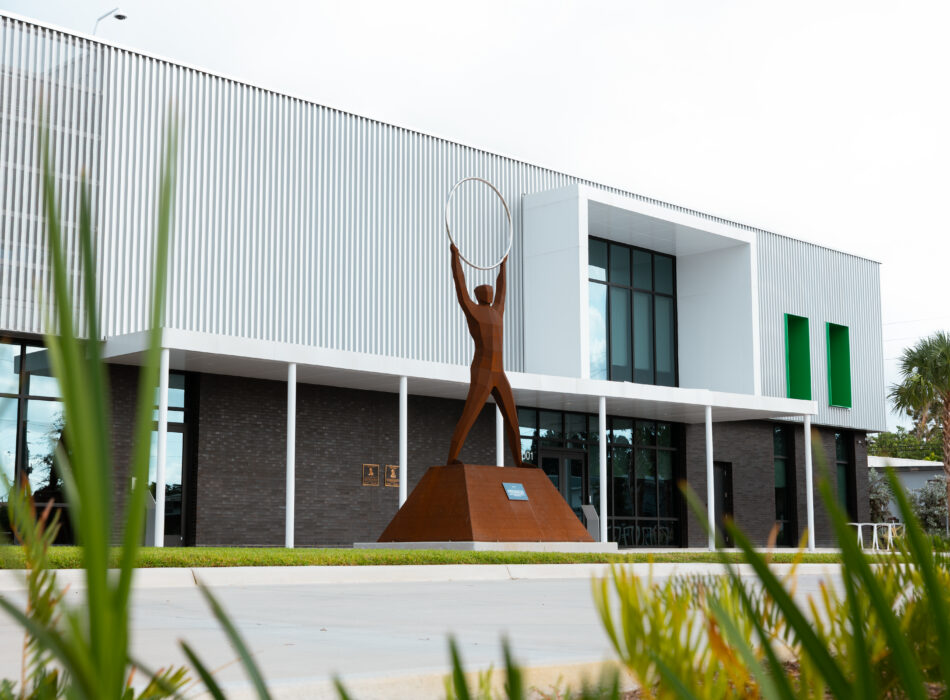
The Joseph E. Savage Sanitation Complex is more than a municipal operations facility, it’s a civic landmark. Named for Joseph E. Savage, a sanitation worker and civil rights leader who played a prominent role in the 1968 St. Petersburg Sanitation Strike. The project honors a defining chapter in the city’s history while modernizing the infrastructure behind one of its most essential public services. The City of St. Petersburg’s Sanitation Department serves more than 76,000 residential customers and over 6,000 businesses through waste collection, recycling, special collections, graffiti abatement, rodent control, and emergency response operations and the two 50-year-old buildings it had been operating from were no longer up to the task.
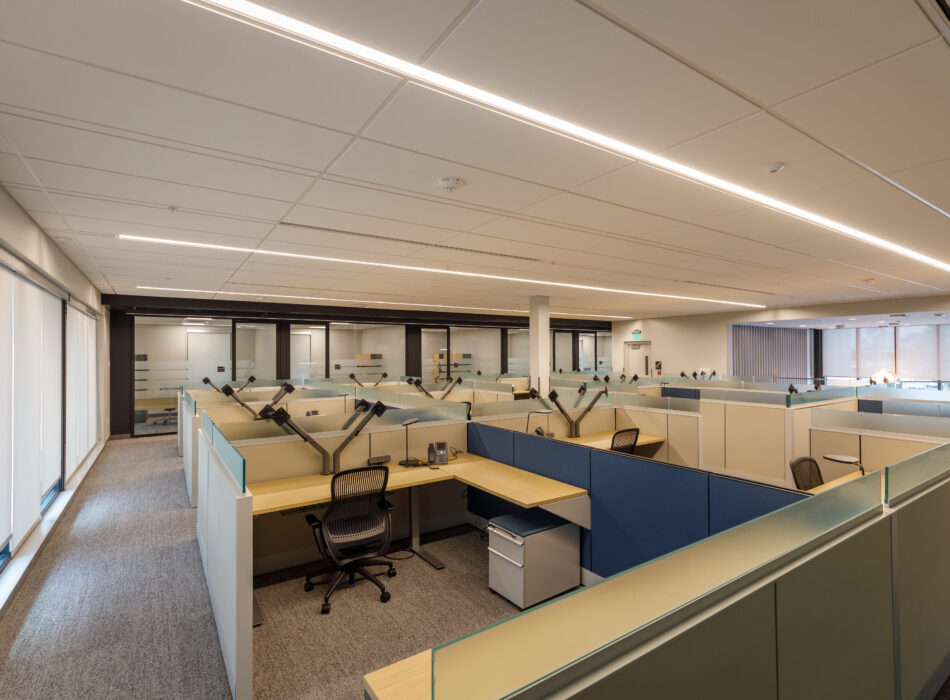
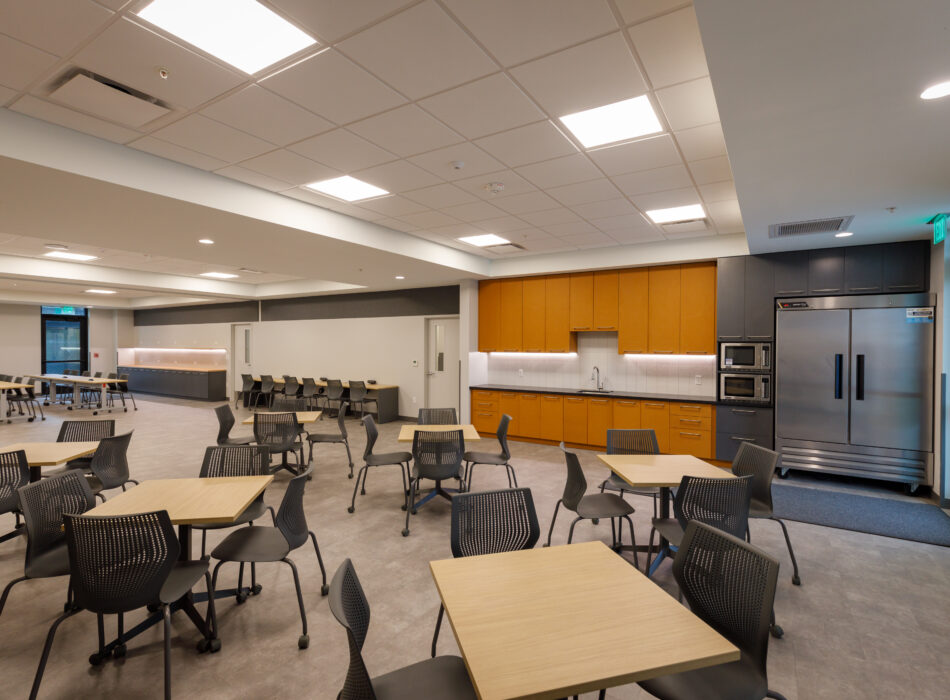
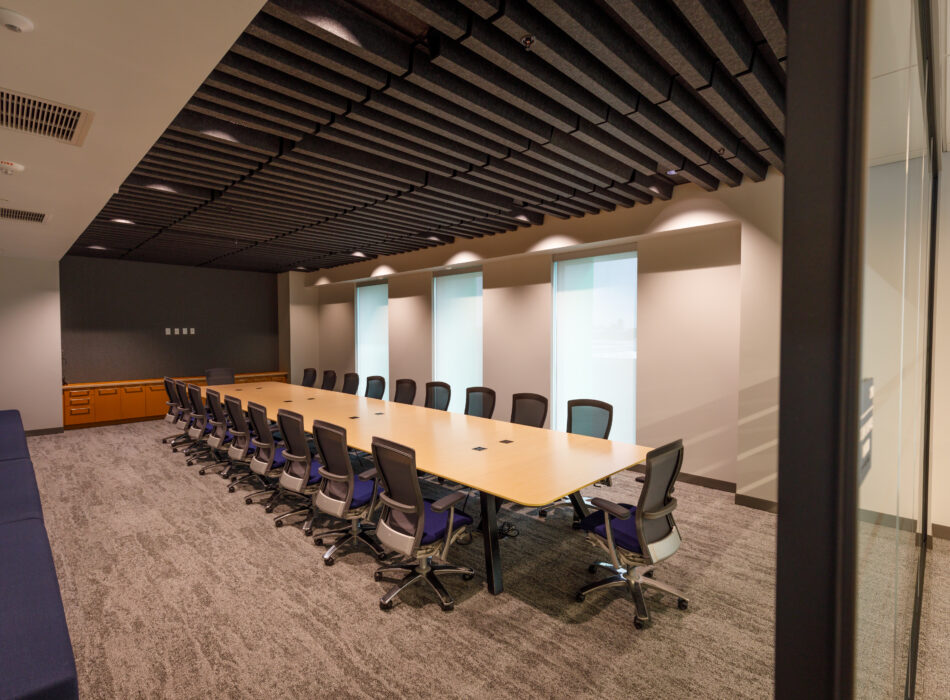
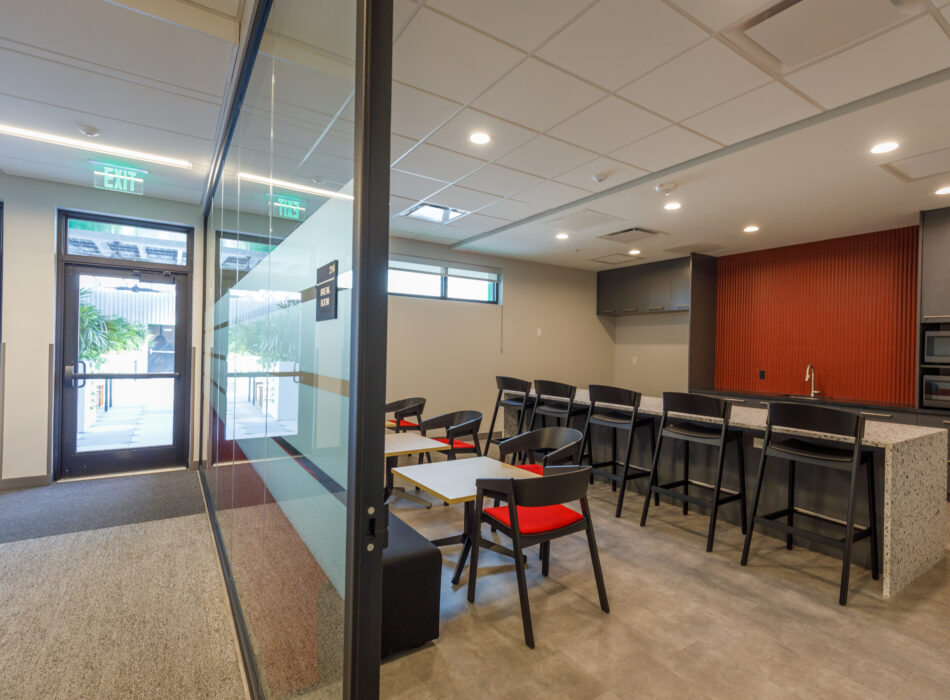
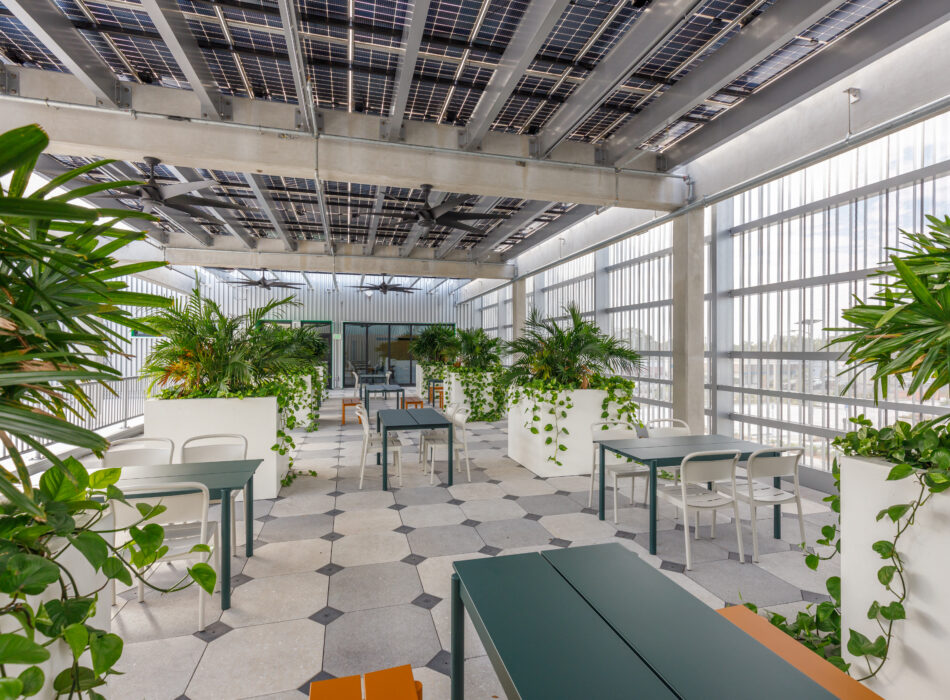
Kokolakis served as construction manager for the replacement of the existing administration and operations facilities with a new 18,600 square foot, two-story municipal services campus on a 1.5-acre site, built while the existing facilities remained fully operational throughout construction. The new facility consolidates administrative and operational functions into a single modern building designed to serve as an Emergency Operations Sub-Center capable of supporting citywide response efforts during hurricanes and other emergencies. Program elements include administrative offices, conference and training rooms, a first-floor fitness center, a second-floor roof terrace, collaborative workspaces, and a separate generator building housing an 800-kilowatt emergency generator.
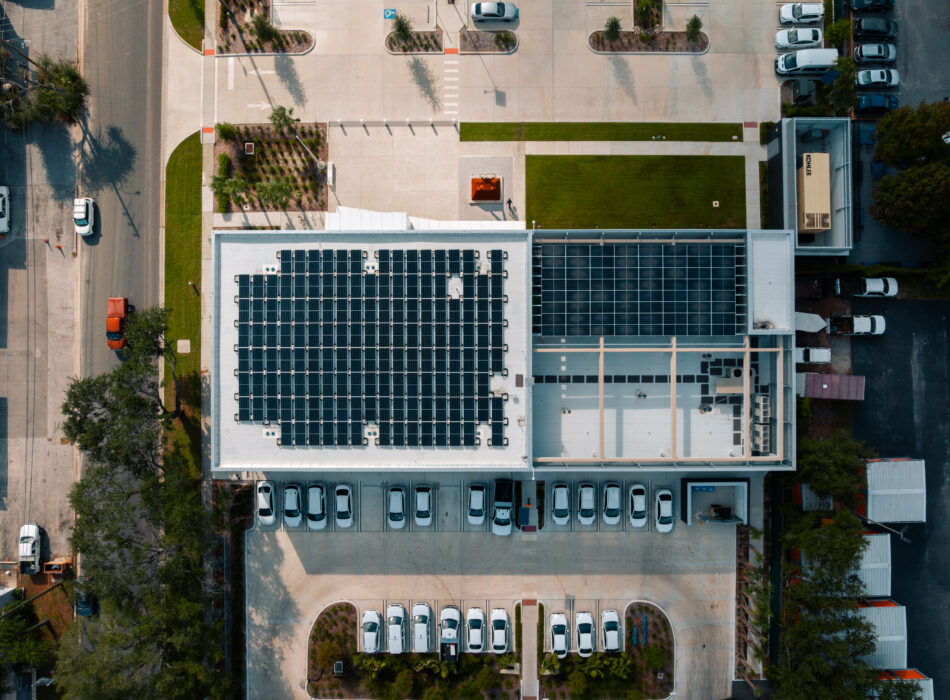
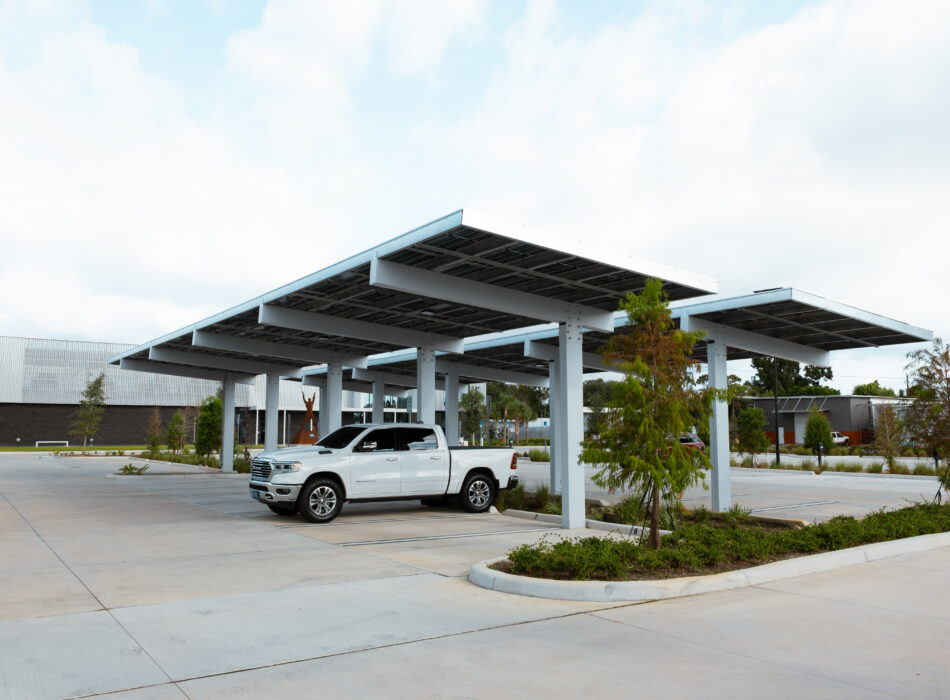
The building incorporates a custom map wall illustrating the City’s sanitation service and recycling zones and houses the “Oneness” sculpture by local artist Don Gialanella, commemorating the solidarity demonstrated during the 1968 Sanitation Strike, for which Kokolakis assisted with foundation construction and installation. Designed to achieve net-zero energy consumption, the facility incorporates rooftop photovoltaic arrays, a solar trellis above the roof terrace, solar carports, solar-powered site lighting, daylight harvesting systems, 10 electric vehicle charging stations, and a building envelope constructed of 100 percent recycled brick. The building’s resilience was put to the test during Hurricanes Helene and Milton, and it held, experiencing no water intrusion and no significant operational damage.
The project earned LEED Gold certification and stands today as a model for resilient, sustainable municipal infrastructure.